The work takes hours.
The waiting takes days.
Pick a process that looks like yours and see where the time goes. Almost never in the work itself, almost always in the piles in between. That is where we start.
A manufacturer: from incoming order to the lorry.
92% of the time nothing happens to the work. It sits on a pile, in an inbox or waiting for approval.Same people, same work: −50% lead time, because the piles between the steps are smaller.
An installation company: from first enquiry to quote sent.
97% of the time nothing happens to the work. It sits on a pile, in an inbox or waiting for approval.Same people, same work: −75% lead time, because the piles between the steps are smaller.
An office: from incoming invoice to payment.
100% of the time nothing happens to the work. It sits on a pile, in an inbox or waiting for approval.Same people, same work: −71% lead time, because the piles between the steps are smaller.
A municipality: from application to decision.
98% of the time nothing happens to the work. It sits on a pile, in an inbox or waiting for approval.Same people, same work: −62% lead time, because the piles between the steps are smaller.
An online shop: from return parcel to refund.
100% of the time nothing happens to the work. It sits on a pile, in an inbox or waiting for approval.Same people, same work: −88% lead time, because the piles between the steps are smaller.
Example figures from our projects. A working day counts as 8 hours. C/T = processing time per item or file. = work waiting.
One day of looking.
Six weeks of improving.
Then you can do it yourself.
This is the walkway. You can stop after any station. Most clients carry on, because after the scan they see what it delivers.
 A1
A1Day 1
Look
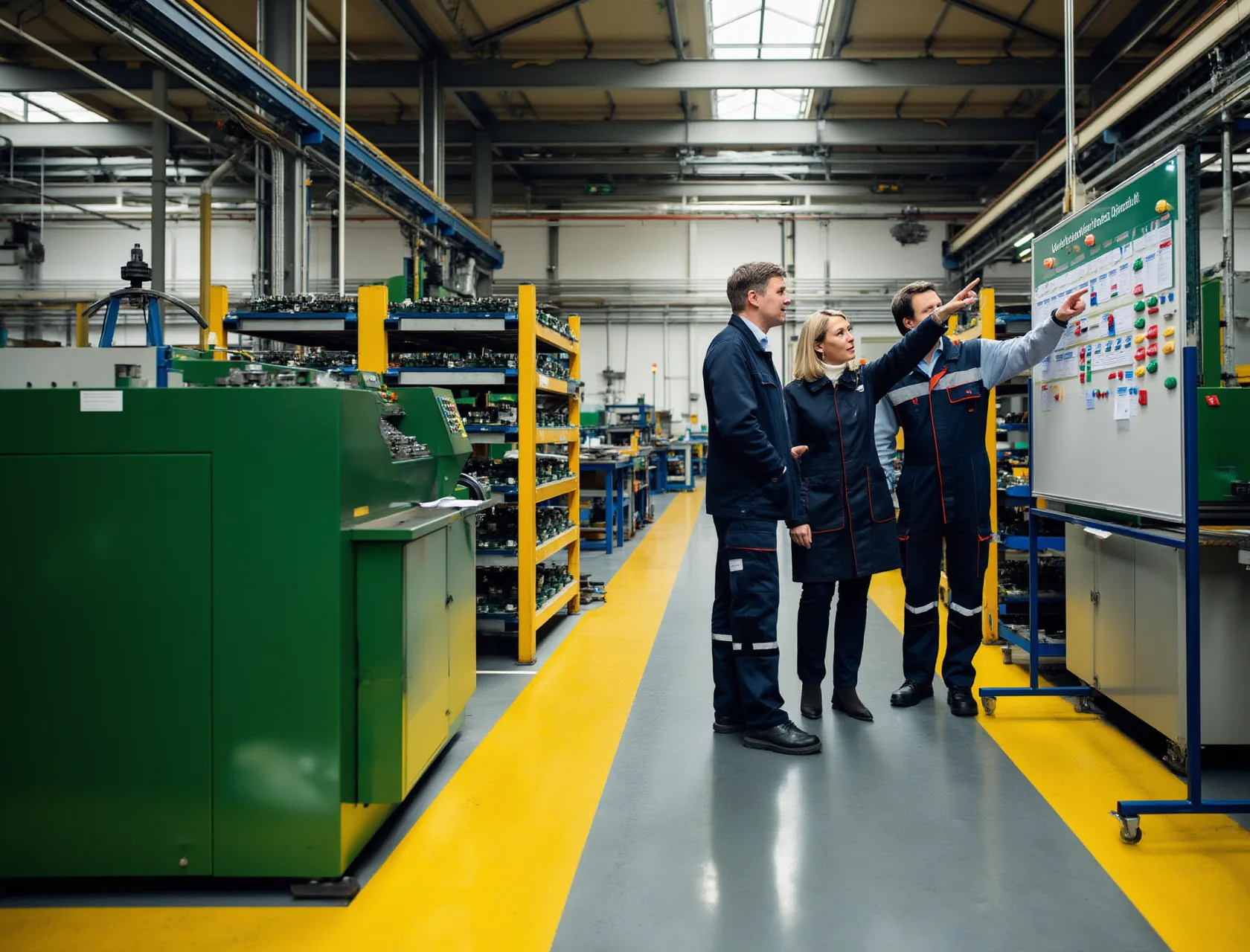
For a full working day we stand beside your people. We follow one order or file and measure every step.
Value stream scan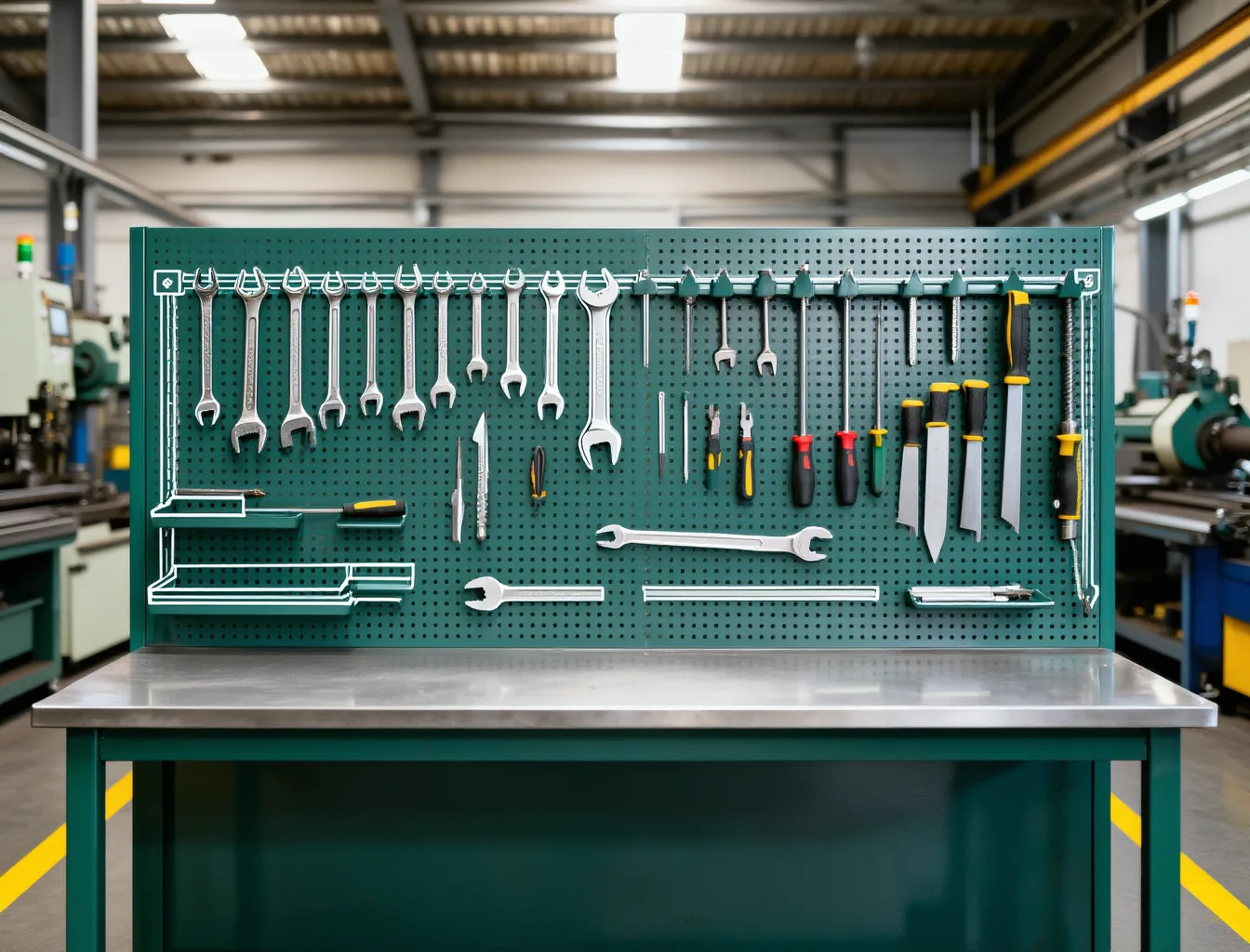 A2
A2Week 1 – 6
Improve
Your own team looks for the causes and tries out improvements on the floor straight away. We keep up the pace.
Improvement project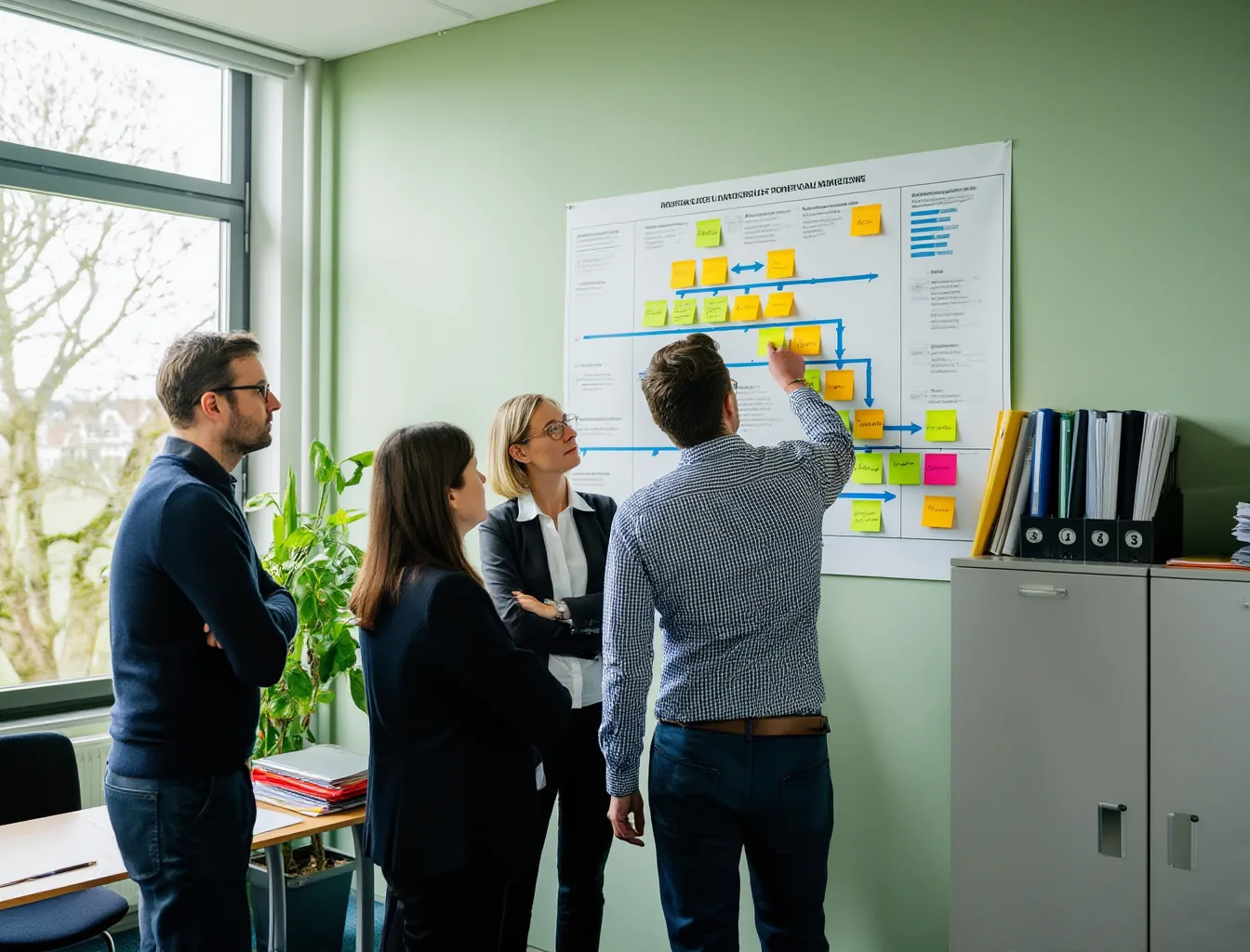 B1
B12 days
Learn
Your people learn to spot waste and solve it themselves. With a game, your own workplace and a real assignment.
Yellow belt team training- Daily start · sawmill team07:30 · 15 minSafetyQualityDeliveryCostsActions
MonReorder 3 mm sheet Sven
TueFixed place for jigs Anton
WedUpdate planning board at 14:00 Hylke
B2Week 7 – 14
Sustain
Fifteen minutes at the board every morning. Until it runs just as well without us.
Daily start and embedding
Three flows.
Before and after.
The same people, the same machines. Just less waiting.
Sheet metal work, 45 employees
Metalworking: lead time halved
Read the A3before10 daysafter5 days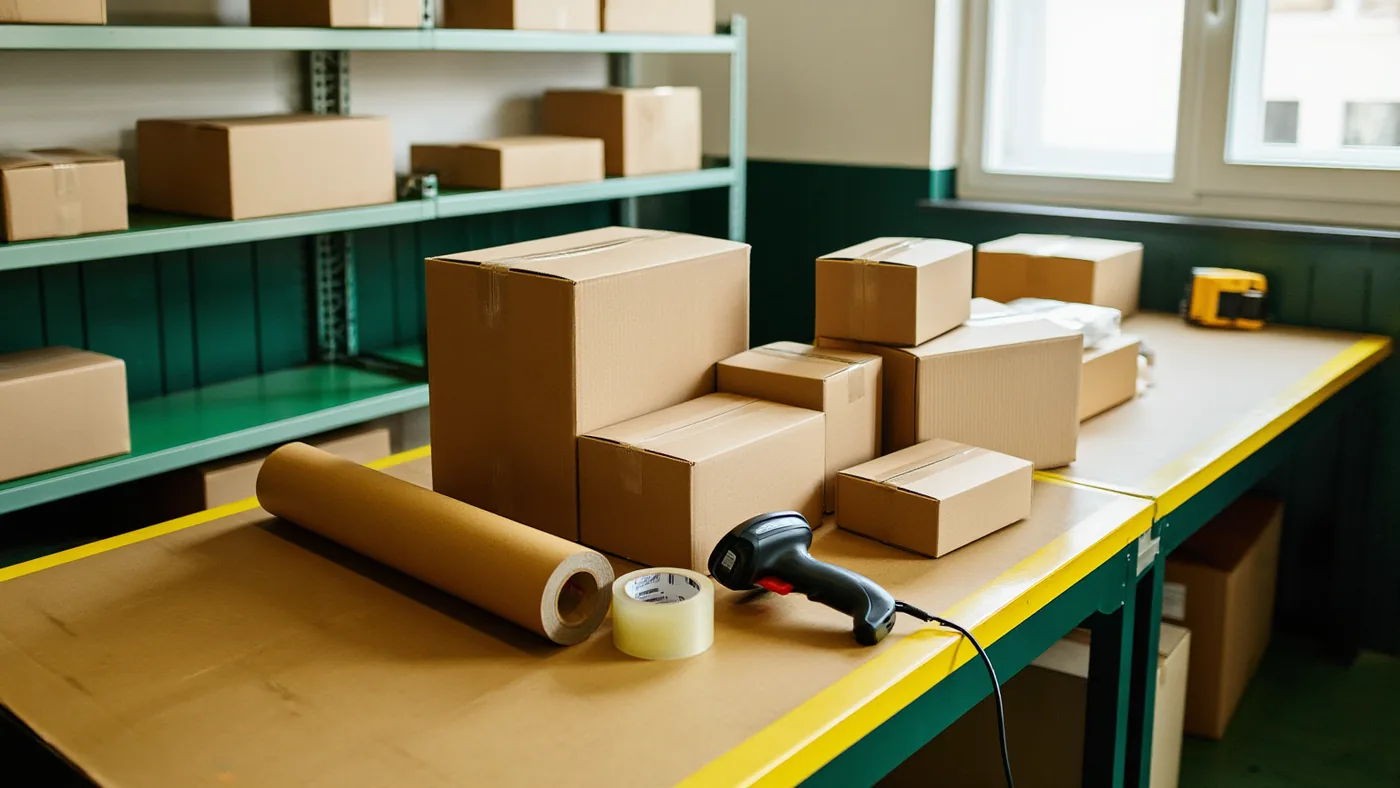
Online shop for home accessories, 18 employees
Online shop: 30% fewer returns
Read the A3before12% returnsafter8.4% returnsPermits team, medium-sized municipality
Municipality: faster permits
Read the A3before8 weeksafter3 weeks
What a scan day looks like
Free, on your floor or in your department. No sales pitch, just an honest picture.
- Join the daily start
We start when your team starts. No presentation, just looking.
- Follow the flow
From step to step with stopwatch and clipboard. We count every pile.
- Talk on the floor
Short conversations with the people who do the work every day. They know the most.
- Calculate
Waiting time, processing time, how often something comes back. All on one map.
- Share first picture
With you and two or three people from the floor: is this right?
- Ready
The map and your top 5 follow the week after, on paper.
Two scan days left in November. Request today, called tomorrow.
Book a free scan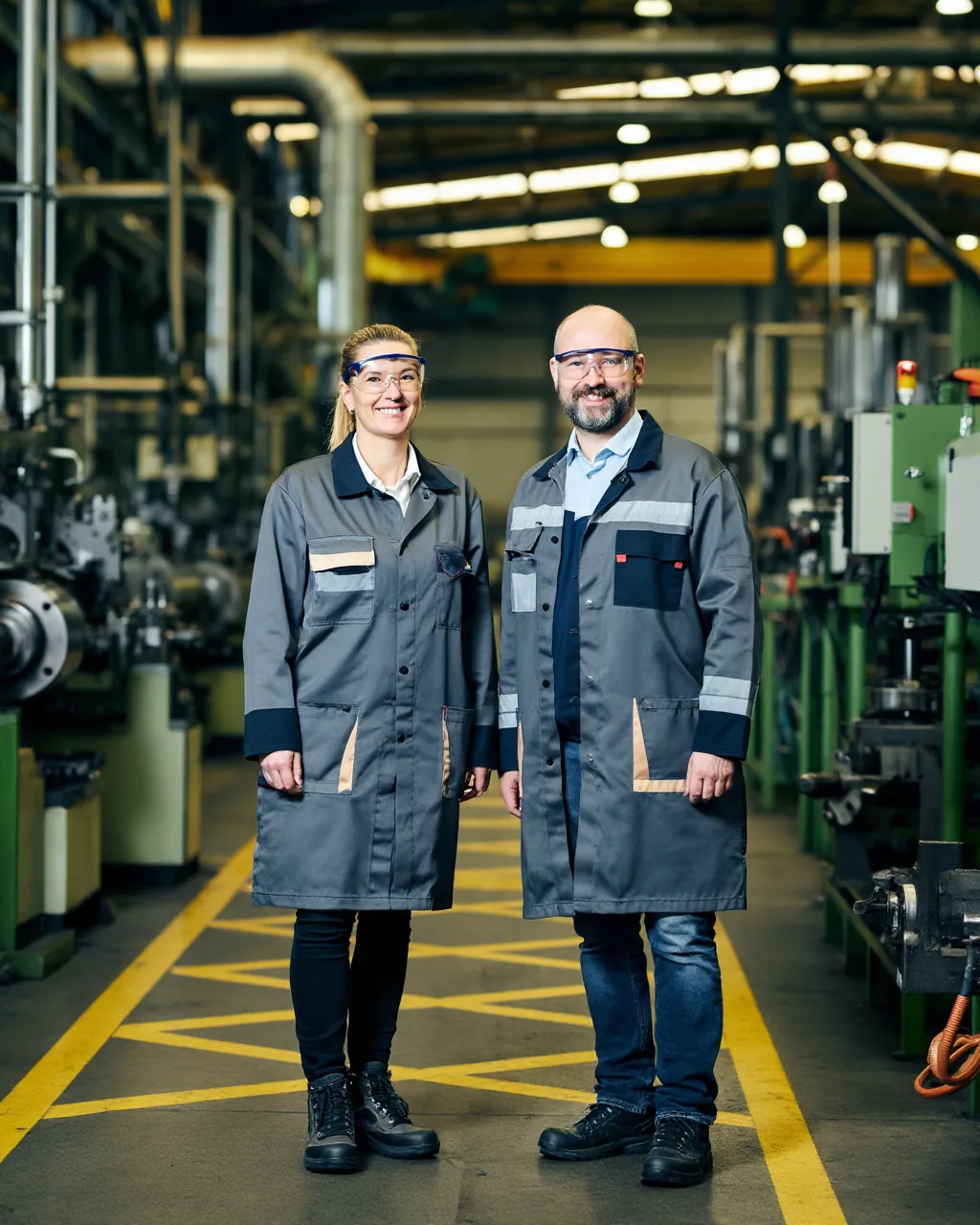 C3
We would rather stand by the machine than sit in the meeting room.
Lean Lab is Bianca Spanjaard and Bauke Hazeleger, both process engineers. Together they have done more than sixty projects: in workshops, warehouses, packing rooms and town halls.
“An improvement the team came up with itself sticks. An improvement we come up with is gone as soon as we walk out the door.”Bianca SpanjaardAbout Lean Lab